
Ozark, MO · Garage Door Service
Garage Doors and the Ozark Climate: What Actually Wears Out
How Ozark's cold-moderate climate and 1956-2010 housing stock affect garage doors, springs, and openers. What to check season by season in this area.
- Repairs & new doors
- Springs & openers
- Serving 6 nearby communities
What the Weather Here Does to It
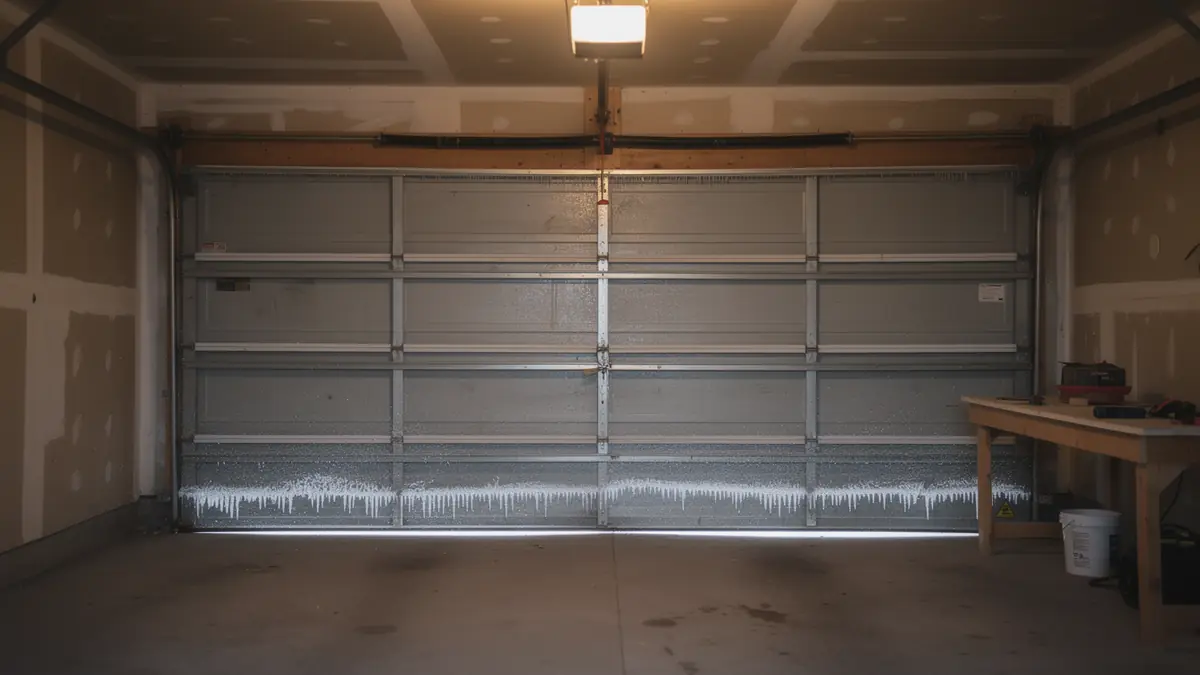
Ozark sits in a cold-moderate climate band, which means your garage door hardware swings through real freeze-thaw cycles every winter, not just a cold snap or two. That matters more than people think. Steel torsion springs lose tension faster when they repeatedly contract in cold mornings and expand again by afternoon, and the lubricant on rollers and hinges thickens up in the cold, which makes the opener's motor work harder to pull the door through its cycle. Over years, that extra load is what burns out drive gears and capacitors early.
It's not dramatic weather - no hurricane-grade wind load here - but it's steady. A door that's fine in July can start binding or groaning in January simply because the steel and the grease respond differently to temperature swings most of the year. Houses here see enough of that cycling that hardware designed for a milder, steadier climate doesn't always hold up on the same schedule homeowners expect from a one-time install.
The Situation
Most of the houses in this service area were built between 1956 and 2010, with the bulk of the stock dating to the 1980s and 90s, spread across eleven named areas in and around Ozark. That build window matters for garage doors specifically: a lot of these openers and torsion systems are original or close to it, meaning they were installed under building standards and insulation expectations that predate current energy codes. Doors on houses built before insulation rules often have single-layer steel skins with no thermal break, which means they transmit cold straight into the garage and, depending on the layout, into an attached mudroom or laundry wall.
With roughly 5,273 owner-occupied houses among 8,600 households in the area, and a median household income of $60,670, a lot of owners are weighing a full replacement against patching an aging system. That's a real decision, not a sales pitch - a 1990s door with a worn torsion spring and a tired opener can sometimes be brought current with new hardware, but if the panels themselves are the thin, uninsulated originals, replacement parts won't fix the cold-transfer problem underneath.
Season by Season
Winter is when the cold-moderate swings show up hardest - expect stiffer rollers, slower opener response, and a higher chance of a spring finally letting go after years of repeated contraction. Spring is thaw season: ground shift from the freeze can nudge a track out of plumb, especially on older concrete aprons from the 1980s-90s construction wave.
Summer is the easy season mechanically, but it's a good window to deal with anything winter exposed, since parts lead times aren't fighting a cold-weather backlog. Fall is for getting ahead of it - checking the spring, the cables, and the weatherstripping before the next freeze cycle starts working on them again. Given how much of the local housing stock sits in that 1956-2010 window, a lot of these systems are old enough that an annual fall check isn't overkill, it's just keeping pace with age.
What to Check
Start with the torsion spring - if the coils look stretched unevenly or there's visible rust at the stress points, that's a cold-cycle symptom, not just age. Check the weatherstripping along the bottom panel; on older doors from this area's 1980s-90s construction era it's often original and brittle, which lets cold air straight through. Listen to the opener - grinding or hesitation on cold mornings usually means the gears are working harder than they should against stiff, cold-thickened lubricant.
If your house falls in that 1956-2010 build range and you haven't had the torsion system looked at, that's the single most common failure point we see tied to this climate. One honest limitation: if the panels themselves are the thin, uninsulated originals, no amount of spring or opener service will fix the cold coming through the steel - that's a replacement conversation, not a repair one.
Frequently asked questions
Why does my garage door get louder in winter?
Cold thickens the lubricant on rollers and hinges and can tighten up torsion spring tension unevenly, so the opener's motor has to work harder to pull the door through its cycle. In Ozark's cold-moderate climate, that seasonal swing happens every year, not just during a rare cold snap.
Is my garage door too old to repair instead of replace?
Depends what's worn. A lot of the area's houses date to the 1980s-90s, and if it's just the spring, cables, or opener gears, those usually get repaired. If the panels themselves are the original thin, uninsulated steel common to that build era, repair won't fix the cold transfer - that's a replacement call.
How often should I have the torsion spring checked here?
Given the cold-moderate freeze-thaw cycling in this area, a fall check before winter is worth doing, especially on systems original to houses built in the 1956-2010 window. Repeated cold contraction is the main thing that shortens spring life here.
Related garage door services in Ozark
More garage door guides
Book garage door service in Ozark
Call now or request a quote - tell us what the door is doing and where you are.